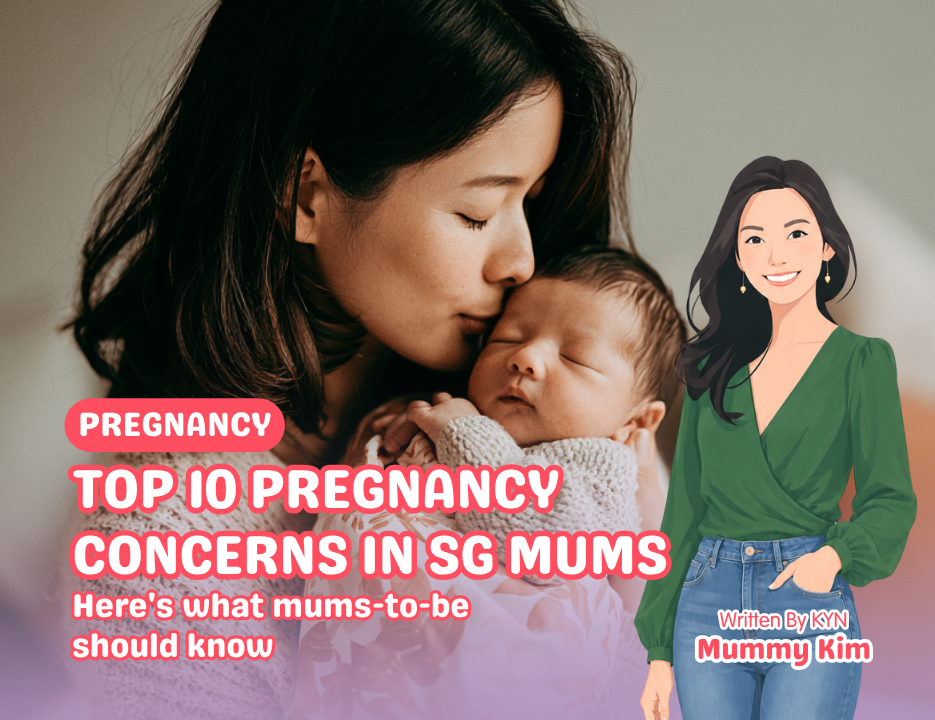
Pregnancy can be one of the most exciting times in a woman’s life, but it can also come with a surprising amount of worry. Is this pain normal? Is my baby growing properly? Am I eating enough? Should I be worried about my blood sugar? What if something goes wrong?
For many mums-to-be, these questions can become a constant background noise throughout pregnancy. Every new symptom, scan or change in the body can bring another reason to wonder whether everything is progressing as it should.
And with advice coming from doctors, family members, friends, social media and pregnancy forums, it can sometimes be difficult to know which concerns are genuinely important and which are simply part of being pregnant.
Singapore’s HealthHub notes that while most pregnancies progress normally, there are certain symptoms and complications that pregnant women should be aware of. Regular antenatal appointments are also important because they allow healthcare professionals to monitor both mother and baby’s health and identify potential problems early.
So, what are some of the biggest concerns pregnant mums in Singapore may have?
1. “Is my baby growing normally?”
This is one of those questions that can sit quietly in the back of a pregnant mum’s mind throughout pregnancy. Even when everything appears to be going well, it is natural to wonder whether the baby is developing as expected.
That is one reason antenatal appointments are so important. Your healthcare team can monitor things such as your blood pressure, weight and urine, while scans and other tests may be carried out at different stages of pregnancy to assess your baby’s development and identify potential concerns.
As pregnancy progresses, mums may also become more aware of their baby’s movements. Once you become familiar with your baby’s usual pattern, a noticeable change in movement is something worth discussing with your healthcare team rather than simply assuming that everything is fine.
2. “Is this pregnancy symptom normal?”
Pregnancy comes with plenty of unfamiliar sensations. Nausea, tiredness, headaches, abdominal discomfort and changes in vaginal discharge can all leave mums wondering whether what they are experiencing is simply part of pregnancy or something that needs medical attention.
The answer is not always straightforward because pregnancy symptoms can vary considerably from one person to another, and even from one pregnancy to the next.
HealthHub advises pregnant women to seek medical attention for certain symptoms, including significant vaginal bleeding, severe abdominal pain and severe vomiting that prevents them from keeping food or fluids down. There are also other warning signs to watch for at different stages of pregnancy.
The important thing is not to try to diagnose yourself through Google. If something feels unusual, severe or worrying, speak to your doctor or maternity care team.
3. “Could I have gestational diabetes without knowing?”
Gestational diabetes, or GDM, is an important pregnancy concern because it often does not cause obvious symptoms. A mum can feel perfectly well and still have elevated blood glucose levels.
HealthHub recommends GDM screening for all expectant mothers because Asian women have a higher risk of developing the condition. Screening is generally carried out around 24 to 28 weeks of pregnancy, although women who have certain risk factors may be screened earlier.
These risk factors can include having a close family history of diabetes, a higher pre-pregnancy BMI, excessive weight gain during pregnancy, previous gestational diabetes, a previous baby weighing more than 4kg and certain existing health conditions.
If you are diagnosed with gestational diabetes, it does not mean that you have done something wrong. With appropriate management, most mums with GDM can have a healthy pregnancy and delivery. Depending on the individual, management may include dietary changes, physical activity, blood glucose monitoring and medication.
4. “Am I too anxious about my pregnancy?”
Not every pregnancy worry means something is wrong. When you are carrying a baby, it is understandable to think about what could happen and whether everything is going according to plan.
For some mums, however, the worrying can become overwhelming. There may be concerns about the baby’s health, childbirth, finances, work, relationships, changes to the body or what life will be like once the baby arrives.
Antenatal mental health deserves attention too. Singapore’s Ministry of Health has reported that local research estimates antenatal depression affects around 7% to 9% of women.
If persistent low mood, irritability, loss of interest, excessive guilt, hopelessness or other emotional changes continue for two weeks or more or begin affecting your daily life, speak to your healthcare provider.
Looking after your mental health during pregnancy is not an optional extra. It is part of looking after yourself and your baby.
5. “Am I eating the right things?”
Pregnancy can bring a confusing mix of advice about food. You may hear that you should “eat for two”, worry about gaining too much weight, or receive recommendations about supplements and foods that you should or should not be eating.
One person may tell you that you need to eat more, while someone else worries that you are gaining too much weight. Family members, friends, social media and even well-meaning strangers can all have something to say, leaving you wondering which advice actually applies to your pregnancy.
Rather than trying to follow every piece of advice you come across, discuss your nutritional needs with your healthcare team. Your recommended weight gain and nutritional needs can depend on factors such as your pre-pregnancy weight, health and whether you develop a condition such as gestational diabetes.
There is no single pregnancy diet that works for every mum.
6. “Will my age affect my pregnancy?”
This is becoming an increasingly relevant conversation in Singapore as women are having their first babies later.
According to Singapore’s Ministry of Health, the median age of resident first-time mothers increased from 30 to 32 over the past decade. MOH also notes that advanced maternal age is associated with an increased risk of chromosomal abnormalities, while pre-existing conditions such as diabetes and hypertension can also affect pregnancy risks.
But age alone does not tell you how an individual pregnancy will progress.
Your doctor will consider your overall health, medical history and how your pregnancy is developing. This is another reason regular antenatal care is important, as your healthcare team can identify any concerns and discuss the appropriate tests or monitoring with you.
7. “What if my baby comes early?”
The possibility of premature birth is another worry that can become more real as pregnancy progresses.
Certain pregnancy complications and health conditions can increase the risk of delivering early. For example, poorly controlled gestational diabetes can be associated with complications including premature delivery.
This does not mean that every mum with a particular risk factor will have a premature birth. Your healthcare team will look at your individual circumstances and monitor you accordingly.
Knowing what is happening during your pregnancy can also make the experience feel less frightening. If your doctor identifies a potential risk, ask what it means for you, what signs to look out for and what you should do if they occur.
8. “Could something serious happen without me knowing?”
One of the frustrating things about pregnancy is that some complications may not immediately make you feel unwell.
Pre-eclampsia, for example, involves pregnancy-related high blood pressure and is one of the conditions healthcare professionals monitor during antenatal care. At routine appointments, your blood pressure and urine may be checked because changes can provide important clues about your health.
This is why antenatal appointments are more than routine check-ins. Even when you feel perfectly well, these appointments give your healthcare team an opportunity to monitor your health and your baby’s development and identify potential concerns.
If you have been tempted to skip an appointment because you feel fine, remember that some important pregnancy changes may only be detected through medical checks.
9. “What if my baby is moving less?”
Once you become familiar with your baby’s movements, you may start to recognise what is normal for your baby. That can also make a noticeable change in movement particularly worrying.
There is no single movement pattern that applies to every baby. Your baby’s movements can also vary depending on factors such as their sleep cycles and your stage of pregnancy.
However, if you notice that your baby is moving less than usual or there has been a significant change in their usual pattern, do not simply assume that the baby is “running out of space”. HealthHub advises pregnant women who are concerned about reduced fetal movement to consult their doctor.
If you are worried, seek professional advice rather than waiting for reassurance from other parents online.
10. “How do I know when I actually need to go to the hospital?”
Perhaps one of the biggest worries during pregnancy is knowing when a symptom is serious enough to seek medical attention.
HealthHub’s guidance highlights symptoms such as significant vaginal bleeding, severe abdominal pain and severe vomiting during early pregnancy, with additional warning signs to be aware of as pregnancy progresses. Depending on your circumstances, your doctor or hospital may also give you specific instructions about when to contact them.
It is worth keeping your hospital or maternity care team’s contact details somewhere easy to find, particularly as you get closer to your due date. If you are unsure whether a symptom requires attention, contact your healthcare provider rather than relying on social media comments or advice from someone else’s pregnancy experience.
Your pregnancy is your own, and what was normal for another mum may not necessarily be normal for you.
Pregnancy Is Not a Checklist
With so much advice coming at you during pregnancy, it can feel like you are constantly trying to get everything right. Eat the right food, gain the “right” amount of weight, exercise enough, take the right supplements, sleep properly, avoid all the things you are told to avoid, understand every new symptom and somehow stay calm through it all.
But pregnancy is not a checklist that you either pass or fail.
You do not have to know the answer to every question before your baby arrives. You do not have to understand every change your body makes. And you certainly do not have to handle every worry on your own.
The most useful thing you can do is attend your antenatal appointments, understand the important warning signs, ask questions when something feels unclear and speak to your healthcare team when you are worried.
There is also no prize for being the mum who never asks questions. Sometimes, getting reassurance is simply part of taking care of yourself and your baby.
When in Doubt, Ask
If you are pregnant and worried about a symptom, do not feel that you are being “overdramatic” by asking.
Pregnancy comes with enough uncertainty without feeling that you have to figure everything out alone. Your doctor, obstetrician or maternity care team can help you understand what is happening, particularly when a symptom is sudden, severe or different from what you normally experience.
And while Google can give you information, it cannot examine you, check your baby’s heartbeat or understand your individual pregnancy.
Sometimes, the most reassuring answer during pregnancy is not another search.
It is hearing from a healthcare professional who knows you and your pregnancy.
KYN reminder: Parenting is easier when we navigate together. 💜
Hello! I am Mummy Kim!

A beauty-loving mum who believes that looking good and feeling good go hand in hand. My parenting mantra is raising happy, confident kids with strong self-esteem! Between facial masks and storybooks, I’m all about nurturing both inner and outer beauty, for myself and my little ones.
Join KidYouNot SG Parenting Community
Sign up to become a member and gain access to exclusive parenting tips, special deals, and early updates on new products and events.
Follow us on Instagram and Telegram to connect with other parents, share your journey, and enjoy fun, supportive content every day!