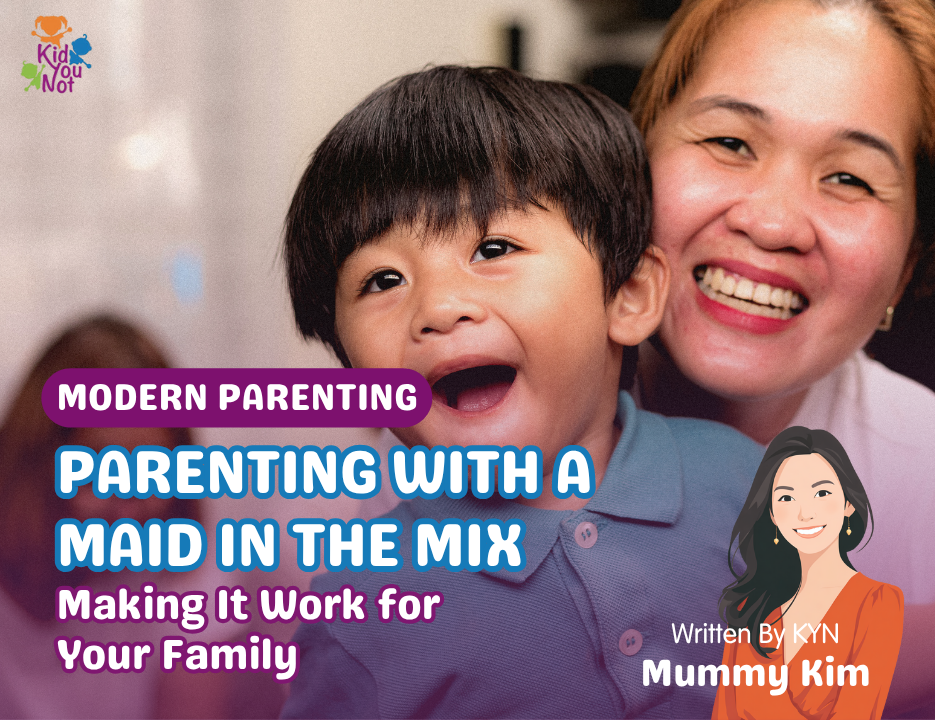
When I first became a mum, I thought I could do it all. Sleepless nights, endless laundry, meals, and trying to sneak in a shower felt like a marathon with no finish line. That’s when we decided to bring in a helper.
And let me tell you… it was a mix of relief, excitement, and yes, a fair bit of anxiety. How would my baby bond with her? Would she follow my routines? Could I still feel like the “real parent”?
For many Singaporean families, a live‑in domestic helper is a blessing but integrating them into your family dynamic takes a little strategy, communication, and patience. Here’s what I’ve learned along the way.
Start with the Right Mindset
Your helper is part of the team, not just a house machine. How you talk about her both to your children and yourself sets the tone.
-
Respect goes a long way. Understand her background and experiences, and give her space to adjust.
-
Your parenting style, family values, and routines matter. The helper’s job is to support, not replace, your role as parent.
-
Think of her as an ally in creating a happy, safe, and nurturing home.
Set Clear Roles and Boundaries
One of the biggest lessons I learned early was the importance of clarity. Who handles what? And where do the boundaries lie?
-
Create a simple chart or daily schedule: meals, naps, playtime, household chores. Share this openly with your helper.
-
Clearly state what she should not do like discipline in ways you disagree with.
-
Explain to your children: “She helps us with certain things, but I am still your mummy/daddy.” This helps avoid confusion or attachment issues.
Training and Communication
Even the most experienced helpers need orientation especially when it comes to your child’s routines.
-
Walk her through feeding, bathing, hygiene, and safe sleeping practices. Demonstrate rather than just instruct.
-
Keep communication simple and visual, especially if there’s a language barrier. Pictures, charts, or labelled areas can help.
-
Set weekly check-ins to discuss what’s working, what’s challenging, and any adjustments needed.
-
Don’t forget her wellbeing, helpers need rest, social support, and emotional check-ins too.
Helping Your Children Adjust
Kids notice everything. Introducing a helper requires gentle explanation and consistent routines.
-
Let them know who she is and what her role is. Encourage respect and kindness.
-
Build routines where both you and the helper interact with your children. For example, the helper can handle lunch prep, while you focus on bedtime stories or weekend outings.
-
Monitor attachment: it’s wonderful if your child loves the helper, but make sure they see you as their primary caregiver.
Creating a Parent-Helper Ecosystem
A helper’s main role is to support, so you can be more present as a parent.
-
Free up time for quality moments: meals, play, reading, or simply talking to your child.
-
Show appreciation regularly. A thank-you, a small treat, or recognition for a job well done fosters respect and a positive home environment.
-
Maintain your parental authority. Helpers assist, they do not replace your decisions or guidance.
Common Challenges and How to Handle Them
It’s not always smooth sailing. Misunderstandings happen. Children may prefer the helper for certain routines. Helpers may feel isolated or stressed.
-
Red flags: disregard for safety, negative behaviour, or repeated miscommunication. Don’t ignore these.
-
Address issues early. Adjust routines, revisit roles, and have open discussions.
-
Remember cultural differences what your helper sees as “normal” may differ from your household’s expectations. Share your family’s non-negotiables clearly.
Your Checklist for a Smooth Parent-Helper-Kids Relationship
-
Prepare a “Welcome Pack”: child’s schedule, emergency contacts, house rules, play areas.
-
Schedule weekly 10-minute check-ins with your helper.
-
Plan a monthly bonding activity that includes parent, helper, and child even a short storytime or craft session works.
-
Hold an annual review: what’s working? What needs adjusting?
-
Show appreciation: birthdays, small treats, or a “helper appreciation day” with your child.
-
Keep safety and wellbeing in check: ensure rest days are observed, and watch for signs of stress.
Final Thoughts
Having a helper doesn’t mean you’re off duty as a parent. It means you have support to be the parent you want to be. With clear communication, mutual respect, routines, and bonding, your helper can become a genuine ally, not a stress point, in your parenting journey.
And to all parents navigating this balance: you’re not alone. Share your experiences, tips, and even the funny moments. Every family finds their own rhythm and together, we can learn from one another.
Hello! I am Mummy Kim!

A beauty-loving mum who believes that looking good and feeling good go hand in hand. My parenting mantra is raising happy, confident kids with strong self-esteem! Between facial masks and storybooks, I’m all about nurturing both inner and outer beauty, for myself and my little ones.
Join KidYouNot SG Parenting Community
Sign up to become a member and gain access to exclusive parenting tips, special deals, and early updates on new products and events.
Follow us on Instagram and Telegram to connect with other parents, share your journey, and enjoy fun, supportive content every day!