You have just brought a baby into the world. Everyone wants to see the baby, asks how feeding is going and checks whether you are getting enough rest.
But what about you?
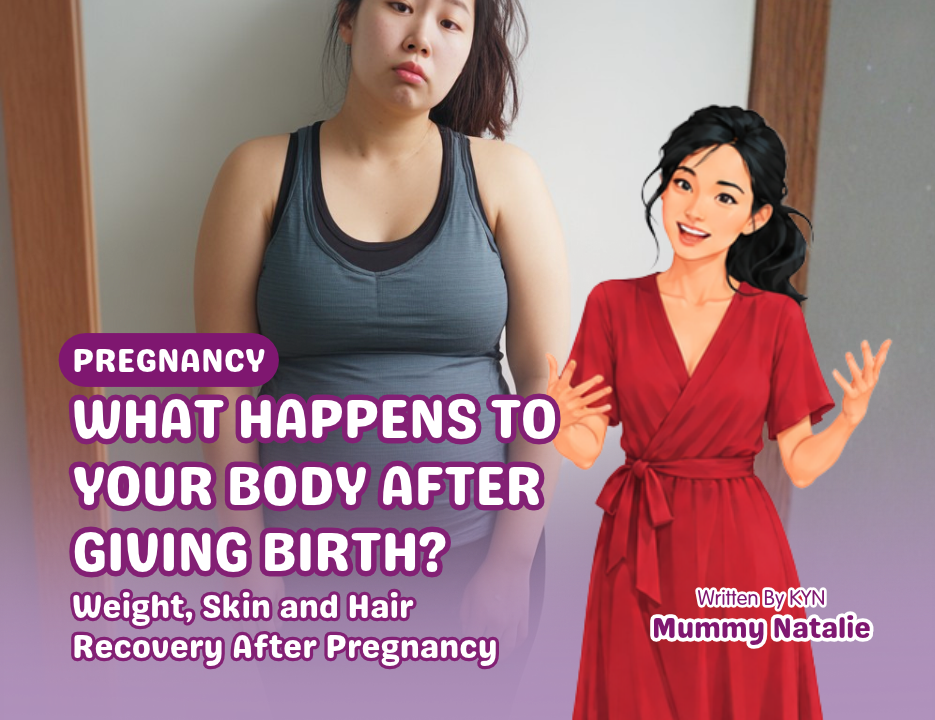
Perhaps you are standing in front of the mirror, wondering when your tummy will go down. Your old clothes no longer fit the same way. Your skin looks different, your hair is falling out in clumps, and you are not quite sure what to do about it.
You might feel incredibly grateful for your baby and still miss the way you looked before pregnancy.
And sometimes, the hardest part is feeling that you should not care about these things. After all, you have a healthy baby. Shouldn’t that be enough?
The truth is, you can love being a mum and still struggle with the changes in your appearance. Both feelings can exist together.
Pregnancy and childbirth bring enormous changes to the body. Some gradually improve over time, while others may remain. Understanding what is happening, and what you can realistically do about it, can make the recovery journey feel less overwhelming.
1. Losing the Baby Weight: Why Is My Tummy Still Here?
One of the most common concerns after giving birth is weight.
During pregnancy, your body gains weight to support your growing baby. This includes the baby itself, the placenta, amniotic fluid, an enlarged womb, increased blood volume, breast tissue and energy stores.
After delivery, some of this weight is lost naturally. However, your body does not immediately return to its pre-pregnancy shape.
Your womb needs time to shrink, your abdominal muscles have been stretched, and your body may still be retaining fluid. You may also have gained body fat during pregnancy, which does not disappear overnight.
Even after your womb has returned closer to its usual size, your tummy may look or feel different because of loose skin, changes in muscle strength or abdominal muscle separation.
So, how long does it take to lose the baby weight?
There is no universal timeline. Recovery depends on factors such as your pre-pregnancy body, pregnancy weight gain, genetics, sleep, activity levels, feeding choices and whether you experienced complications during pregnancy or birth.
You may see other mums looking slim just weeks after delivery. That does not mean your recovery is behind.
What can you realistically do?
-
Eat enough, rather than drastically cutting calories. Choose regular, balanced meals with protein, vegetables, fruit, wholegrains and healthy fats. If you are breastfeeding, your nutritional needs may be higher.
-
Start with gentle movement. Walking and appropriate pelvic floor exercises can help you gradually rebuild strength. Increase activity according to your recovery and your healthcare professional’s advice.
-
Give your abdominal muscles time. If you notice doming along the middle of your tummy, persistent abdominal discomfort or a feeling of weakness, ask your doctor or a women’s health physiotherapist about abdominal muscle separation and suitable exercises.
-
Avoid rushing into intense exercise or restrictive diets. Your body needs adequate nourishment and recovery time, particularly in the early postpartum weeks.
It is perfectly reasonable to want to feel comfortable in your clothes again. You do not have to pretend that your weight does not matter to you.
But try not to make the number on the scales your only measure of recovery. Having more energy, feeling stronger and being able to move comfortably matter, too.
2. Stretch Marks, Pigmentation and Skin That Looks Different
Pregnancy can change your skin in ways you may not have expected.
You might notice stretch marks across your tummy, breasts, hips or thighs. The dark line running down your abdomen may still be visible. Your face may have patches of pigmentation, or your skin may feel drier, oilier or more sensitive than before.
These changes are influenced by hormones, genetics and how your skin responds to pregnancy.
Will stretch marks disappear?
Stretch marks usually fade over time, becoming less noticeable, although they may not disappear completely.
Moisturisers and body oils can help keep the skin comfortable and hydrated, but they cannot reliably prevent or erase stretch marks. Be cautious of products promising to restore your skin completely.
If you are considering treatments for stretch marks, particularly while breastfeeding, speak to a qualified healthcare professional or dermatologist about what is suitable for you.
What about pigmentation and melasma?
Some women develop darker patches on their face during pregnancy, commonly known as melasma. Hormonal changes can contribute to this, and the pigmentation may gradually improve after delivery. However, it can persist.
Practical steps include:
-
Using broad-spectrum sunscreen with SPF 30 or higher daily.
-
Wearing a hat and seeking shade when spending time outdoors.
-
Keeping your skincare routine simple if your skin is sensitive.
-
Seeking advice from a dermatologist if pigmentation persists or bothers you.
Singapore’s hot, sunny climate makes sun protection particularly important, even when you are mostly going about your daily routine.
Can I get my old skin back?
Sometimes the changes fade considerably. Sometimes they remain.
It is worth remembering that skincare can support your skin’s health, but it cannot guarantee that your skin will look exactly as it did before pregnancy.
You can care for your skin without treating every mark as a flaw that needs correcting.
3. Postpartum Hair Loss: Why Is My Hair Falling Out So Much?
This can be particularly alarming for new mums.
You might notice more hair on your pillow, in the shower drain or caught in your hairbrush. Your ponytail may feel thinner, and your hairline may look less full.
Postpartum hair shedding is common and is usually related to hormonal changes.
During pregnancy, hormonal changes keep more hairs in the growing phase, so many women notice thicker-looking hair. After delivery, hormone levels change and more hairs enter the shedding phase around the same time.
This can make the hair loss seem dramatic, even though it is often temporary.
When will my hair grow back?
Hair shedding commonly becomes noticeable a few months after birth. For many women, it gradually settles over the following months, with hair fullness improving over time. The process can vary from person to person.
What can you do to care for your hair?
-
Brush gently and avoid hairstyles that pull tightly on your hair.
-
Reduce excessive heat styling and harsh chemical treatments.
-
Eat enough protein and maintain a balanced diet.
-
Avoid taking high-dose hair supplements without checking whether they are appropriate for you, especially if you are breastfeeding.
-
Speak to your doctor if the hair loss is severe, occurs in patches, continues without improvement or comes with other symptoms.
Sometimes, persistent hair loss may be associated with issues such as iron deficiency or thyroid problems, rather than postpartum hormonal changes alone.
You do not need to panic over every strand of hair in the shower. But you also do not have to dismiss your concerns if something does not seem right.
4. The Part Nobody Talks About Enough: How You Feel About Your New Body
The physical changes are one thing. The emotional adjustment can be another.
You may feel uncomfortable when you get dressed. You might avoid photographs or feel reluctant to meet friends because you do not feel like yourself.
Perhaps someone has casually asked whether you are pregnant again because your tummy has not gone down. Or a relative has commented that you looked slimmer after your first baby.
Even when people do not intend to hurt you, these comments can stay with you.
Social media can make the experience harder. When you see mums posting their postpartum fitness journeys, polished photographs and seemingly effortless transformations, it is easy to wonder why your own recovery looks different.
But you are rarely seeing the entire picture: the support they receive, their individual circumstances, their health, or how they feel away from the camera.
You are allowed to want to look good again without feeling guilty about it.
There is nothing wrong with wanting your old clothes to fit, wanting healthier-looking hair or wanting to feel confident in your skin.
The important thing is not to let the pressure to look a certain way become another burden during an already demanding stage of life.
You do not need to love every change immediately. You can take your time getting used to your body, make choices that help you feel better and acknowledge that some days will be harder than others.
5. A Realistic Postpartum Self-Care Routine for Busy Mums
When you have a newborn, a complicated beauty routine or an ambitious fitness plan may be the last thing you need.
Instead, start with small habits that support your recovery.
For your body
-
Eat regular, nourishing meals.
-
Drink enough fluids.
-
Rest whenever you can, and accept practical help with household tasks and baby care.
-
Begin gentle movement when appropriate and progress gradually.
-
Discuss persistent pain, abdominal weakness or pelvic floor symptoms with a healthcare professional.
For your skin
-
Cleanse gently and moisturise.
-
Apply sunscreen daily.
-
Introduce active skincare ingredients cautiously, checking suitability if you are breastfeeding.
For your hair
-
Be gentle when brushing and styling.
-
Prioritise a varied diet with adequate protein and iron-rich foods.
-
Seek medical advice if hair loss seems excessive or prolonged.
For your confidence
-
Wear clothes that fit your current body comfortably, rather than using your old wardrobe as a daily reminder of what has changed.
-
Unfollow accounts that make you feel inadequate.
-
Make time for something that helps you feel like yourself, whether that is a haircut, a walk, a quiet coffee or simply having a shower without rushing.
These may sound like small things, but caring for yourself does not have to mean adding another long list of tasks to your day.
6. When Should You Seek Medical Advice?
Not every postpartum change is simply part of recovery.
Arrange a medical review if you experience persistent or worsening hair loss, unusual fatigue, concerns about your weight, troublesome skin changes or symptoms that are affecting your daily life.
Your postpartum check-up is also an opportunity to discuss physical recovery, nutrition, exercise, mood and any concerns you have about your appearance.
Seek urgent medical attention if you develop symptoms such as chest pain, difficulty breathing, severe headache with visual changes, or heavy bleeding accompanied by dizziness or faintness.
And if worries about your appearance become overwhelming, cause you to avoid everyday activities or leave you feeling persistently low or anxious, please speak to a healthcare professional. You deserve support with your emotional wellbeing, too.
Your Body Deserves Time, Not Another Deadline
Pregnancy lasts around nine months, yet many mums feel pressured to look as though nothing has changed within a few weeks of giving birth.
We need to give ourselves more room than that.
Your body has been through pregnancy, childbirth and a major physical adjustment. It may become stronger, your hair may regain its fullness and some skin changes may fade. Other changes may stay with you.
You can work towards feeling healthier and more confident without expecting yourself to return to an earlier version of your body.
And if you are looking in the mirror today and finding it difficult to recognise yourself, remember that you are still you. You are allowed to miss parts of your old life, including the way you used to look, while learning to feel comfortable in the life you have now.
Recovery is not a race to become your pre-pregnancy self. It is about giving yourself the care, time and support you need to feel well again.
Hello! I am Mummy Natalie

I am one of the editors of KidYouNot Parenting Blog! coffee is my life saviour as a mum of two. My parenting philosophy? Hugs, love, and lots of patience (because honestly, some days need all three). I enjoy sneaking in kopi breaks, spontaneous family makan sessions, and turning everyday chaos into fun memories.
Join KidYouNot SG Parenting Community
Sign up to become a member and gain access to exclusive parenting tips, special deals, and early updates on new products and events.
Follow us on Instagram and Telegram to connect with other parents, share your journey, and enjoy fun, supportive content every day!