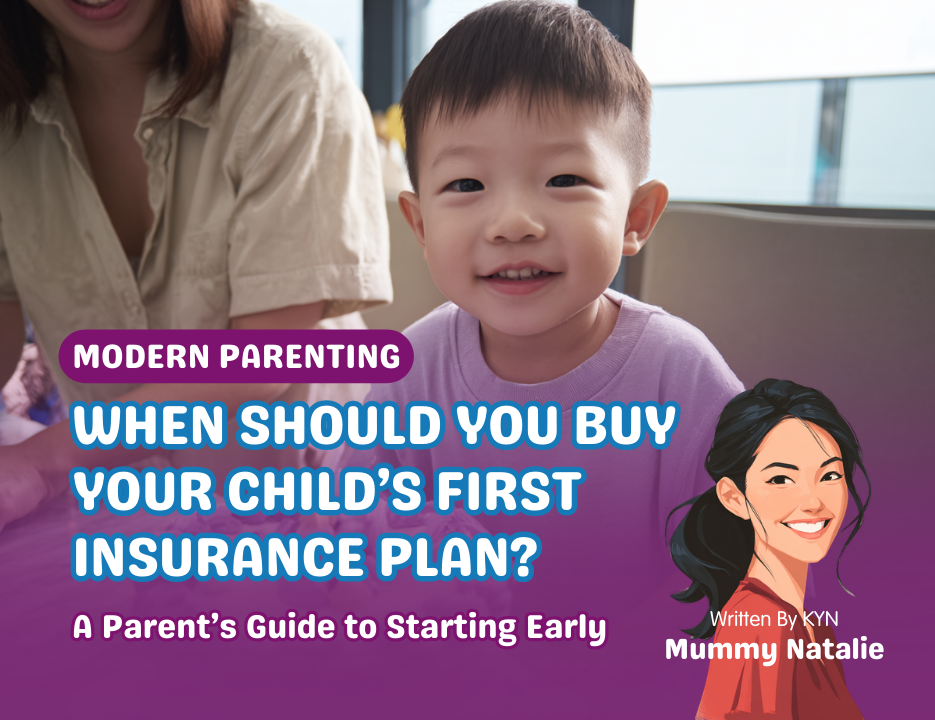
When I first became a mum, insurance was not the first thing on my mind.
Feeding, sleeping, and surviving the newborn phase already felt overwhelming enough. But one day, while scrolling through my phone at 3am during a feed, a question popped into my head:
“When is the right time to buy insurance for my child?”
Is it too early when they are a baby?
Is it too late if we wait?
And what exactly should we even be buying?
If you are asking these questions, you are not alone. Many parents feel unsure because insurance sounds like such a big, adult decision for someone so small.
So let’s break it down gently and realistically.
How young should you start your child’s first policy?
Short answer: the earlier, the better. Ideally from birth to age 3.
Not because something bad will happen, but because insurance is priced based on risk. A baby or toddler is usually:
-
Healthy
-
Has no medical history
-
Has no lifestyle risks
That means:
-
Lower premiums
-
Easier approval
-
Fewer exclusions
When children grow older, some may develop conditions like eczema, asthma, or food allergies. These do not mean they cannot get insurance, but they may:
-
Cost more
-
Come with exclusions
-
Require medical checks
Starting early is not about fear. It is about locking in affordability and flexibility while your child is at their healthiest.
What should your child’s FIRST insurance focus on?
Your child’s first plan should be about protection, not investment.
1. Hospitalisation and medical coverage (most important)
This is the foundation. It helps pay for:
-
Hospital stays
-
Surgeries
-
Specialist treatment
-
Serious illnesses
This does not just protect your child.
It protects your family’s savings.
Ask yourself honestly:
“If my child needs long-term treatment, can we manage the cost without insurance?”
For most families, the answer is no. That is why medical coverage should always come first.
2. Critical illness cover (optional but helpful)
Some parents choose to add this after medical coverage is in place.
This pays out a lump sum if your child is diagnosed with a major illness such as:
-
Cancer
-
Major organ conditions
-
Certain serious childhood illnesses
The money can be used flexibly for:
-
Treatment
-
Extra care
-
One parent taking time off work
It is not urgent for newborns, but it is something parents may consider later as part of overall protection.
3. Education or savings plans (only after protection)
Education plans are often sold together with insurance, which can be confusing.
But they are not protection plans.
They are financial planning tools.
Only consider these after:
-
Your child’s medical coverage is secured
-
You have an emergency fund
-
The parents are properly insured
Otherwise, you may end up committing to long-term savings while being under-protected for real risks.
What is the best age to start realistically?
-
Ideal: Birth to 6 months
-
Still good: 6 months to 3 years
-
After 3 years: Still possible, but may cost more and require more health checks
So no, it is not “too early” to start.
It is usually “earliest equals simplest”.
Common mistakes parents make
1. Buying savings plans first
Then later realising:
-
Hospital bills are not well covered
-
Premiums are locked in for many years
Protection should come before forced savings.
2. Over-insuring the child but under-insuring themselves
If something happens to the parents, the child’s policy cannot replace income or provide daily support.
Parents’ protection should always come first.
3. Buying out of fear instead of understanding
Many parents buy because:
“My friend said must buy.”
“The agent said urgent.”
Better question to ask:
“What risk am I actually covering?”
Insurance should solve a problem, not create anxiety.
A simple decision guide for parents
Before buying, ask yourself:
-
Does my child already have hospital coverage?
-
Are both parents properly insured?
-
Can I commit to this premium long-term?
-
Am I buying protection or forced savings?
If you can answer these clearly, you are making a thoughtful decision, not an emotional one.
Final thoughts
Buying your child’s first insurance plan is not about being kiasu.
It is about:
-
Locking in low cost
-
Protecting your family’s finances
-
Giving your child future options
The best time is not “when you earn more”.
The best time is when your child is healthiest.
And as parents, sometimes the quiet decisions we make early become the ones that matter most later.
Hello! I am Mummy Natalie

I am one of the editors of KidYouNot Parenting Blog! coffee is my life saviour as a mum of two. My parenting philosophy? Hugs, love, and lots of patience (because honestly, some days need all three). I enjoy sneaking in kopi breaks, spontaneous family makan sessions, and turning everyday chaos into fun memories.
Join KidYouNot SG Parenting Community
Sign up to become a member and gain access to exclusive parenting tips, special deals, and early updates on new products and events.
Follow us on Instagram and Telegram to connect with other parents, share your journey, and enjoy fun, supportive content every day!