
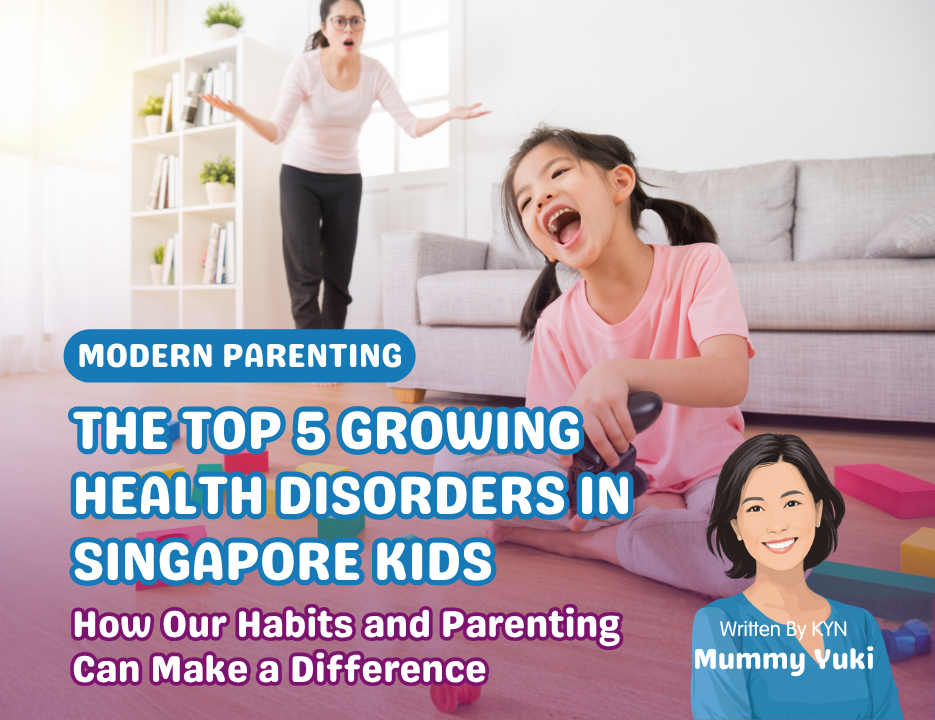
Parenting in Singapore today is unlike any generation before. With packed schedules, screen-heavy routines, academic pressure, and high expectations, children’s health is influenced not just by genetics, but also by our daily habits, mindsets, and parenting choices.
Over the years, I’ve realised that taking a step back to reflect on how we live and parent can make a real difference to our children’s physical, emotional, and mental well-being.
Here’s my take on the five growing health disorders among Singapore kids, why they’re becoming more common, and how we as parents can respond thoughtfully.
1. Attention-Deficit/Hyperactivity Disorder (ADHD)
ADHD is one of the most commonly diagnosed neurodevelopmental disorders in Singapore. While genetics play a role, I’ve seen how our routines, screen habits, and household rhythms can influence attention and self-regulation.
Lifestyle & parenting influences:
-
Inconsistent routines and sleep schedules
-
Excessive screen time and digital overstimulation
-
Over-scheduling children with tuition or enrichment classes
Reflecting as parents: Are our daily routines structured and predictable? Are screens and activities balanced with rest and downtime?
Practical tips:
-
Establish clear routines for homework, play, and rest
-
Break tasks into manageable steps and celebrate small wins
-
Work closely with teachers and specialists for personalised support
2. Autism Spectrum Disorder (ASD)
While ASD is primarily neurodevelopmental, early social engagement and parent-child interactions can improve developmental outcomes.
Lifestyle & parenting influences:
-
Limited quality interaction due to busy schedules
-
Over-reliance on screens instead of hands-on play or social activities
Reflecting as parents: Are we intentionally spending meaningful time with our child each day? Are interactive play and communication priorities in our home?
Practical tips:
-
Schedule regular one-on-one time for reading, talking, or playing
-
Encourage guided social interactions with peers
-
Seek early assessment and therapies if developmental milestones are delayed
3. Anxiety, Depression, and Stress
Mental health challenges are rising among children and teens. I’ve noticed how our parenting attitudes and home environment can sometimes amplify pressure and stress.
Lifestyle & parenting influences:
-
High academic expectations and overemphasis on performance
-
Excessive comparison with peers or siblings
-
Limited opportunities for emotional expression or downtime
Reflecting as parents: Are we modelling healthy stress management? Do we validate our child’s feelings and encourage open dialogue?
Practical tips:
-
Encourage mindfulness, hobbies, and physical activity
-
Be mindful of our own reactions to stress, children observe and mirror us
-
Seek professional help early if persistent anxiety or low mood is observed
4. Learning Disorders (Dyslexia & Other Learning Challenges)
Learning disorders affect many children, and how we approach mistakes, learning, and expectations can make a difference.
Lifestyle & parenting influences:
-
Over-scheduling children, leaving little time to learn at their own pace
-
Harsh responses to mistakes or slow progress
-
Focusing solely on grades rather than understanding and skill-building
Reflecting as parents: Are we fostering curiosity and resilience in learning? Are mistakes treated as opportunities to grow?
Practical tips:
-
Observe for difficulties in reading, writing, or math early
-
Encourage structured learning and personalised support at home
-
Collaborate with teachers and specialists for early intervention
5. Sleep Problems
Insufficient or poor-quality sleep is increasingly common, and I’ve realised that our own routines and bedtime habits can heavily influence children’s sleep.
Lifestyle & parenting influences:
-
Late bedtimes and inconsistent sleep schedules
-
Screens before bed
-
Over-packed schedules leaving little time for rest
Reflecting as parents: Are we modelling healthy sleep habits? Is bedtime treated as non-negotiable?
Practical tips:
-
Set consistent bedtime and wake-up times for the whole family
-
Limit screen use at least 1–2 hours before bed
-
Create a calming bedtime routine with reading or quiet conversation
Final Thoughts: Reflect, Adjust, Empower
The health of our children is closely tied to how we live, parent, and respond to challenges. Rising disorders like ADHD, ASD, anxiety, learning challenges, and sleep issues are signals that we may need to pause, reflect, and adjust our habits, mindsets, and parenting behaviours.
Questions for us as parents:
-
Are our routines, habits, and parenting approaches supporting our child’s well-being?
-
Are we modelling emotional regulation, balanced living, and healthy behaviours?
-
Do we create space for rest, play, and connection every day?
Even small changes, consistent routines, screen boundaries, quality interaction, and emotional support can have a profound impact on a child’s health and development. Awareness is the first step; thoughtful action is the next.
Hello! I am Mummy Yuki

I am one of the editors of KidYouNot team! As a work-from-home mum, I love quiet mornings, soft music, and messy play is my kind of vibe. I’m all about slow parenting, art time, and letting kids be kids.
Join KidYouNot SG Parenting Community
Sign up to become a member and gain access to exclusive parenting tips, special deals, and early updates on new products and events.
Follow us on Instagram and Telegram to connect with other parents, share your journey, and enjoy fun, supportive content every day!